Cervical Disc Herniation and Cervical Spinal Stenosis Minimally Invasive Endoscopic TreatmentDecompression · Motion Preservation

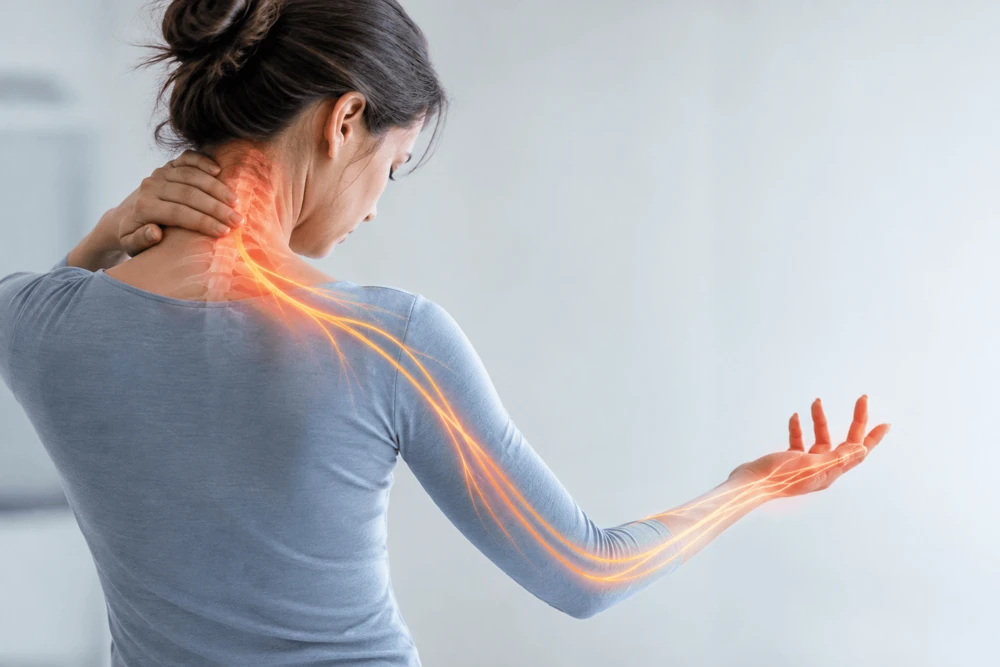
Neck pain radiating into the arm? Tingling, loss of sensation or weakness in the hand?

A cervical disc herniation or cervical spinal stenosis can compress a nerve root or, in some cases, the spinal cord.

Request a specialist assessment to identify the most appropriate treatment.

Dr. François Lechanoine

Neurosurgeon specializing in minimally invasive and endoscopic brain and spine surgery.

What Is a Cervical Disc Herniation?

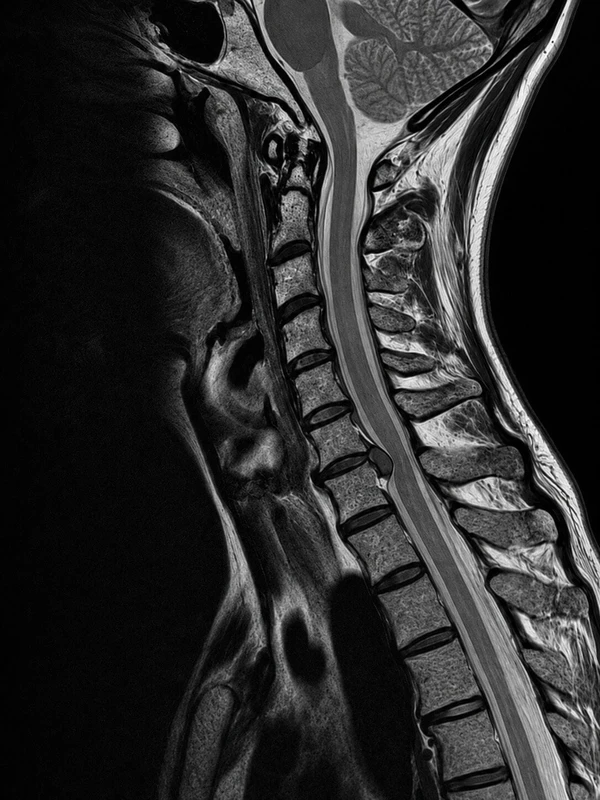
A cervical disc herniation occurs when part of an intervertebral disc protrudes from its normal position and may come into contact with a nerve root or the spinal cord.

When a nerve root is affected, pain may radiate from the neck to the shoulder, arm and hand.

The presence of a disc herniation on an MRI scan does not automatically mean that surgery is necessary.

Do You Have a Cervical Disc Herniation or Cervical Spinal Stenosis? The Most Common Symptoms

A cervical disc herniation or cervical spinal stenosis can compress a nerve root or, in some cases, the spinal cord, causing a range of symptoms.

  • The most common include:
  • neck pain
  • shoulder pain
  • pain radiating down the arm
  • tingling in the fingers
  • loss of sensation
  • reduced strength in the hand or arm
  • difficulty with fine hand movements

When the spinal cord is affected, problems with balance, coordination or walking may also occur.

Do you have these symptoms? Request an assessment

First, We Evaluate Conservative Treatment

Surgery Is Not Always the First Option
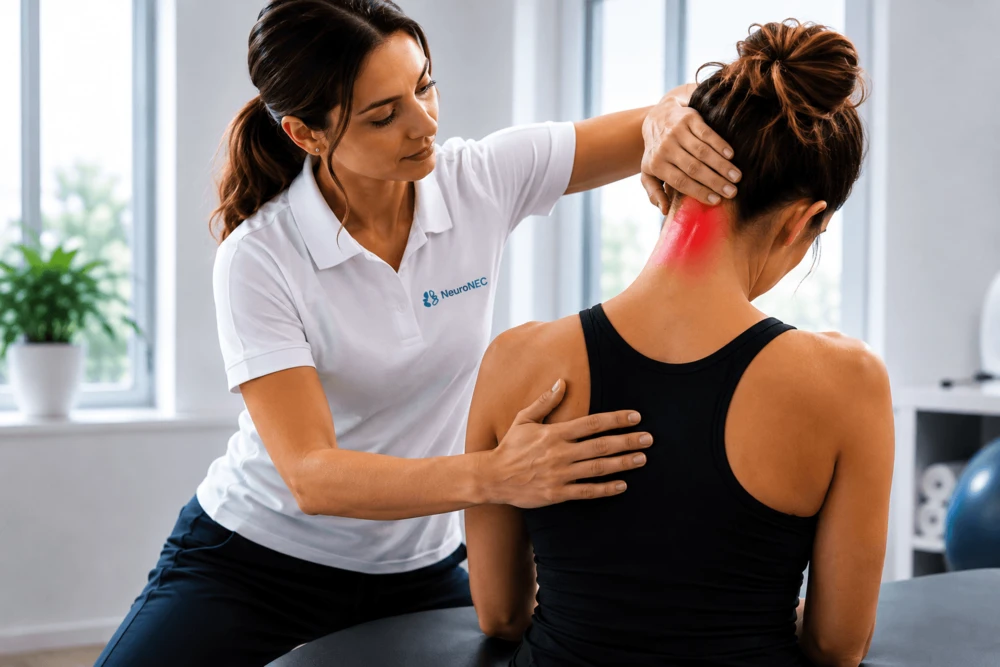
When clinically appropriate, the treatment pathway may begin with conservative treatments and rehabilitation.

The goal of NeuroNEC is to identify the treatment that is truly necessary for each patient, avoiding unnecessary surgical procedures.
The pathway may include:

  • neurosurgical assessment
  • physiotherapy and rehabilitation
  • pain management
  • recovery of mobility
  • clinical monitoring
  • specialist reassessment

When May Surgery Be Necessary for a Cervical Disc Herniation or Cervical Spinal Stenosis?

Surgery may be considered when nerve root or spinal cord compression causes persistent symptoms or significant neurological symptoms, and when the symptoms affect quality of life.

In appropriate cases, NeuroNEC prioritizes minimally invasive and endoscopic techniques aimed at decompressing the neural structures while preserving anatomy and mobility as much as possible and avoiding stabilization procedures or spinal fusion when they are not truly indicated.

Benefits of the Minimally Invasive Endoscopic Approach

Surgery Designed to Reduce the Impact on the Patient

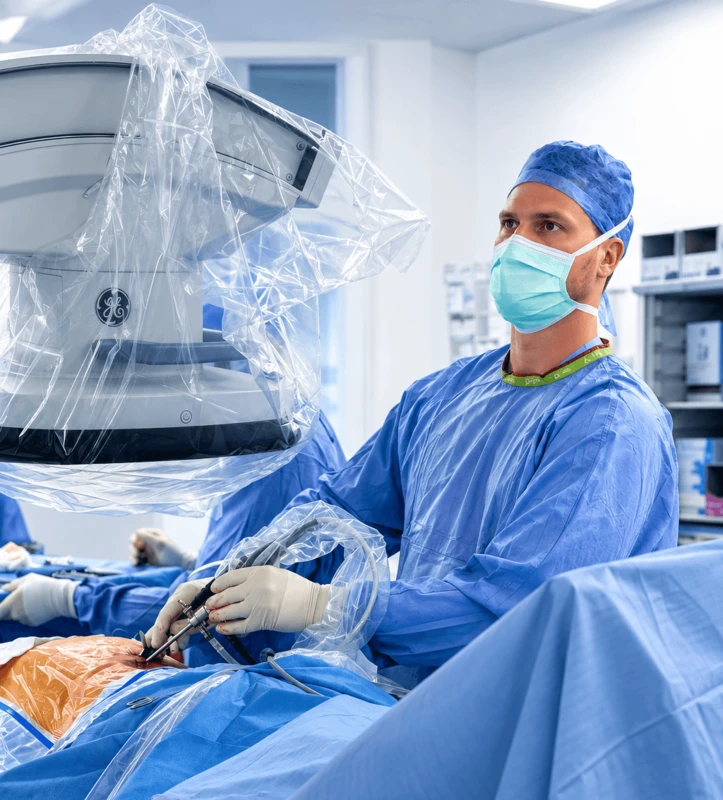
When indicated, the minimally invasive endoscopic approach allows for:

  • smaller surgical access
  • less impact on surrounding tissues
  • early mobilization
  • personalized anesthesia pathway
  • early rehabilitation
  • gradual return to normal activities

Find out whether your condition can be treated with a Minimally Invasive Endoscopic Approach

Xperience: Not Just Surgery, but a Complete Care Pathway

Spine treatment does not end with surgery.
The NeuroNEC Xperience Program integrates into a single pathway:

Specialist Assessment

Analysis of the patient’s medical history, symptoms and diagnostic examinations.

Preparation for Treatment

Functional preparation and personalized organization of the care pathway.

Minimally Invasive Surgery

When indicated, endoscopic treatment of the condition using the latest technologies.

Personalized Anesthesia

Anesthesia protocol tailored to the patient and the procedure, generally using an “awake” approach.

Early Rehabilitation

Mobilization and Functional Recovery.

Follow-up

Continuity of care through the NeuroNEC network.

Have You Already Been Recommended Cervical Spine Surgery, Specifically Spinal Fusion?

Before making a decision, you can request a specialist second opinion.
If you have already undergone an MRI or CT scan, you can send your medical documentation to the NeuroNEC Patient Manager.
Dr. Lechanoine will assess your clinical condition and imaging to determine which treatment pathway may be most appropriate.
REQUEST A SECOND OPINION

Dr. François Lechanoine

Neurosurgeon specializing in minimally invasive and endoscopic brain and spine surgery.

Dr. Lechanoine developed his professional career at neurosurgical centers in Europe and abroad, specializing in modern minimally invasive and endoscopic techniques.

He was the first neurosurgeon to introduce and perform UBE – Unilateral Biportal Endoscopy in Italy, subsequently contributing to its adoption across Europe and worldwide through clinical practice, training and scientific research.
MEET DR. LECHANOINE

Frequently Asked Questions About Cervical Disc Herniation and Cervical Spinal Stenosis

Does a cervical disc herniation always require surgery?

No. The indication for surgery depends on the symptoms, neurological examination, imaging findings and response to conservative treatments.

When can tingling in the arm be caused by a cervical spine condition?

Compression of a cervical nerve root can cause pain, tingling or changes in sensation along the arm and hand.

Are cervical disc herniation and cervical spinal stenosis the same condition?

No. They are different conditions, although both can cause compression of the neural structures.

Does cervical spine surgery necessarily mean having a spinal fusion (with an implant)?

No. When indicated, endoscopic techniques can preserve disc function and therefore avoid spinal fusion surgery (ACDF), helping to preserve mobility.

Is recovery after endoscopic surgery a long process?

Every patient has their own recovery time and each case is different. However, in general, endoscopic surgery can allow for a faster recovery thanks to the preservation of anatomical structures, the minimally invasive approach and the preservation of movement in the spinal segment.

Can I send my MRI scan before the consultation?

Yes. You can send your available medical documentation to arrange a specialist assessment.

Do You Have Neck Pain Radiating Into Your Arm?

Request a Specialist Assessment and a Personalized Quote.
Landing Page Contact Form
Available Diagnostic Documentation
Please indicate which examinations or medical reports you already have available. You do not need to attach any documents at this stage.
How would you prefer to have your initial consultation?
Choose the option that is most convenient for you.
Privacy Policy